Case Study · Employer Branding · Inclusion Communication
ADL is
EquAlly.
How an employer branding campaign flipped the questions women dread in interviews, shifted workplace representation from 8% to 31%, and changed hiring patterns across an entire conglomerate.
My Role
Concept to creation,
entirely in-house.
This was a full-ownership brief. From the initial insight through to the photoshoot, casting, copy, narrative framework and channel distribution, every element of the campaign was conceived and executed in-house.
Concept Ideation
Creative Strategy
Copywriting
Narrative Framework
Photoshoot Direction
Casting
Employer Branding
Social and Recruitment Channels
The Insight
Women were not choosing
where to work. They were choosing
where they felt safe.
The campaign began with a simple but uncomfortable observation: job interviews in India routinely include questions that have nothing to do with a candidate's ability. Questions about marriage plans, parenthood, health, family commitments. Questions that are asked of women, not of men.
These questions do not just create awkward interview moments. They shape where women choose to apply in the first place. If a candidate expects to be asked whether her marriage plans will affect her commitment, she filters herself out before she filters the job out.
"Women were not deciding where they wanted to work. They were deciding where they would feel safe to work."
The conventional employer branding response would be to list policies: maternity leave, flexible hours, diversity targets. But policies are claims. The campaign needed to demonstrate understanding, not assert commitment.
The Idea
Take the question they dread.
Flip the answer.
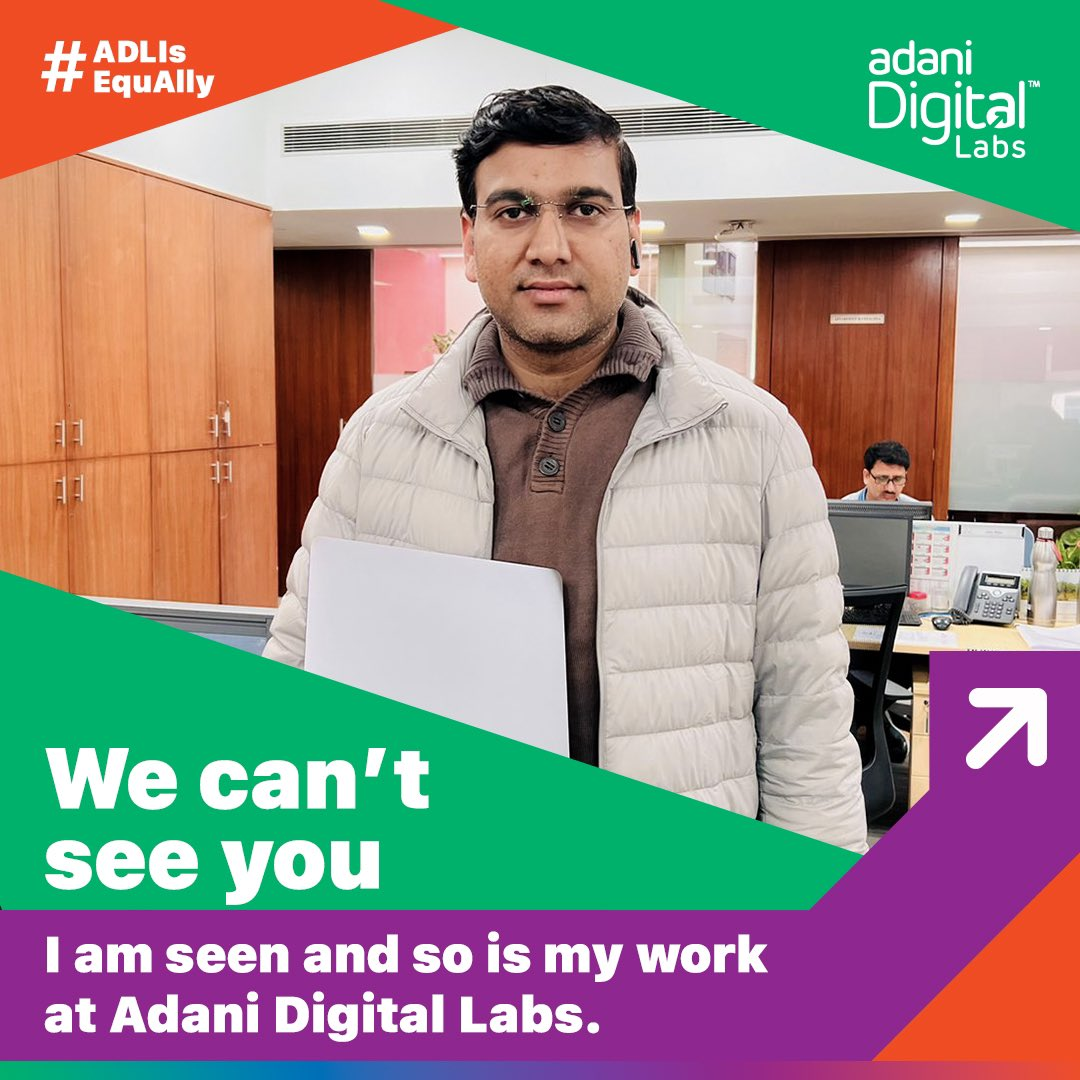
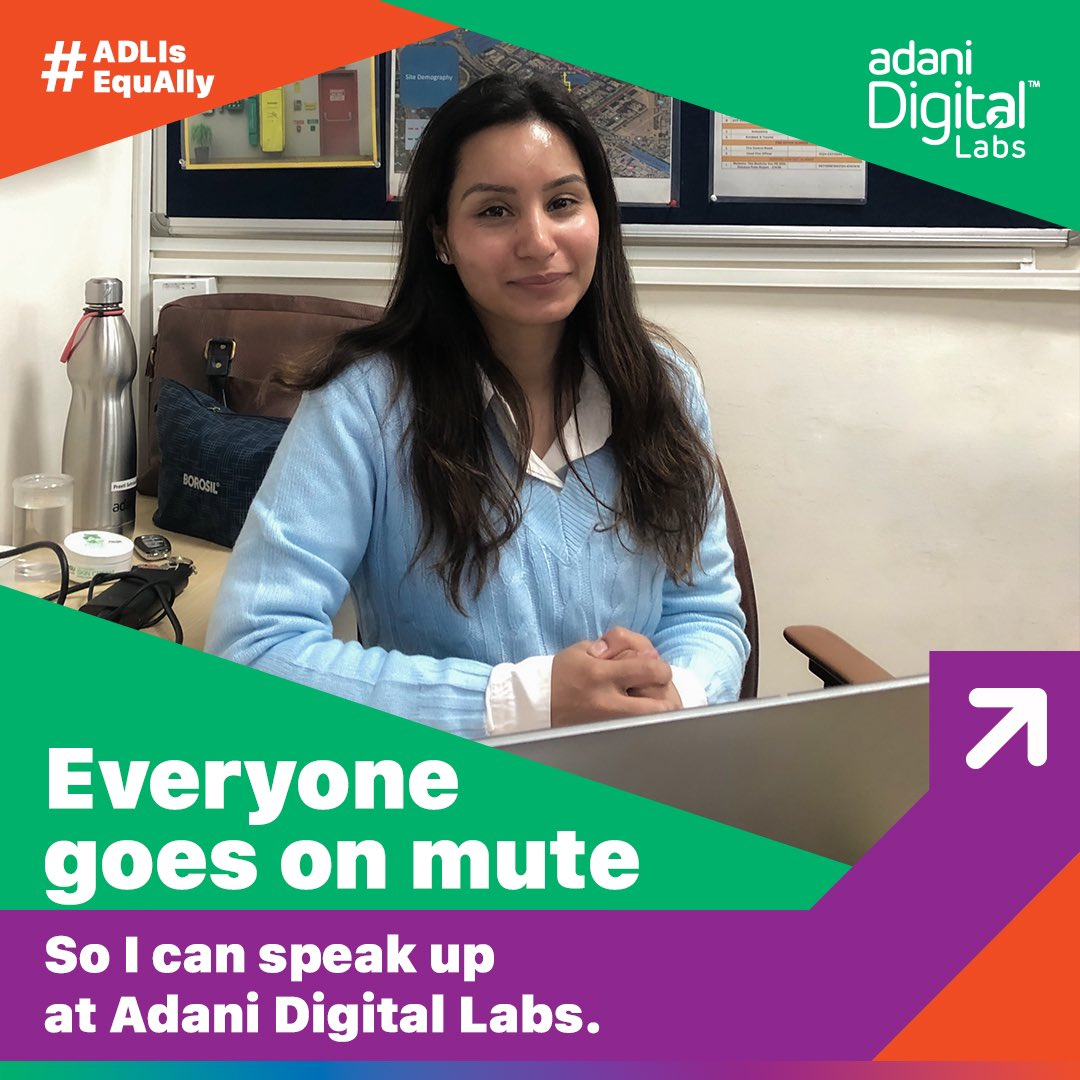
Rather than talking about ADL's inclusion values, the campaign surfaced the exact questions that create psychological barriers to application, and answered them differently. Each creative took a real, recognisable interview bias and reframed it as an act of acceptance.
The format was deliberate: question on top, answer below. The question creates recognition — every woman reading it has been asked it, or has dreaded being asked it. The answer removes the fear. The combination communicates culture more precisely than any policy document can.
The question they dread
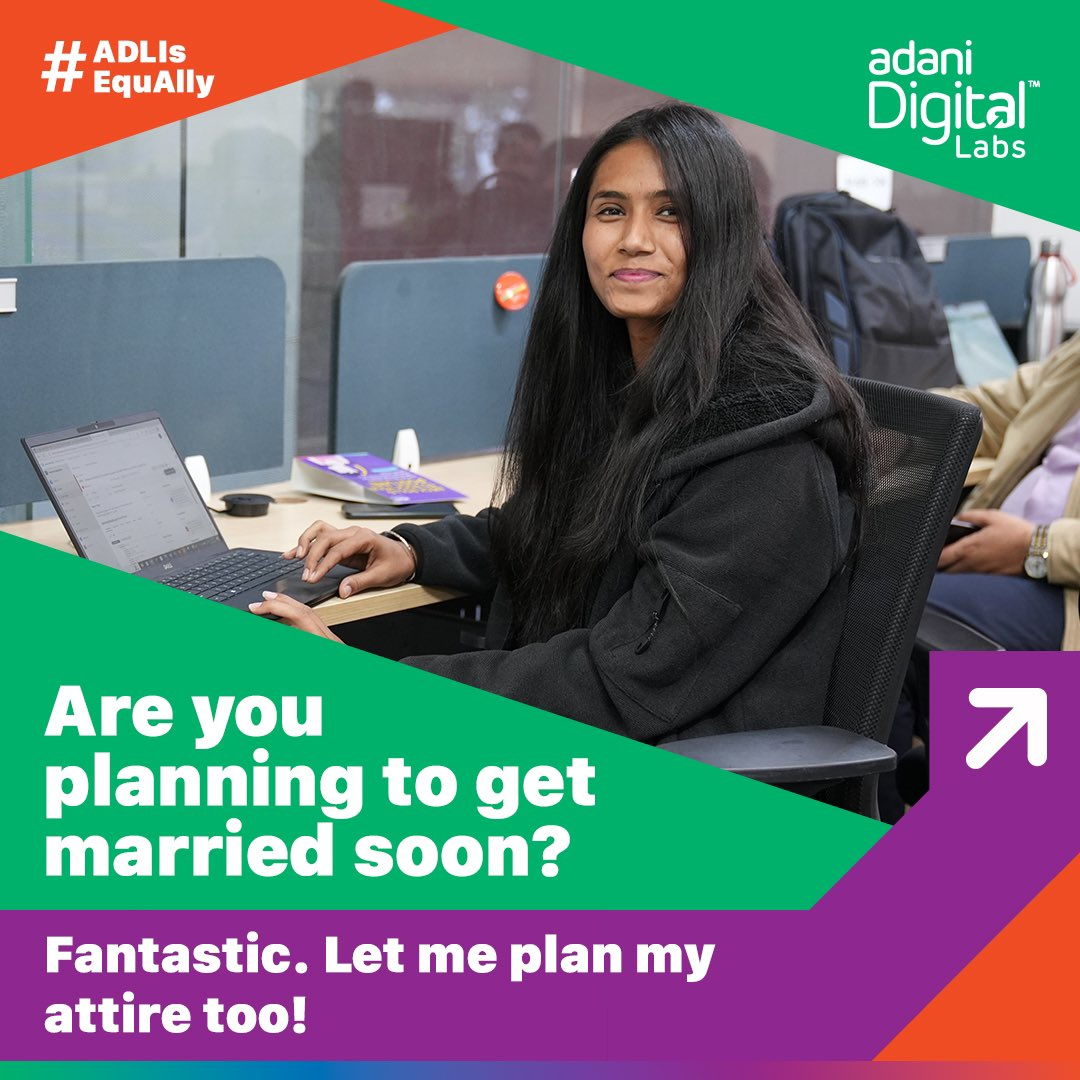
"Are you planning to get married soon?"
ADL's answer
"Fantastic. Let me plan my attire too!"
The question they dread
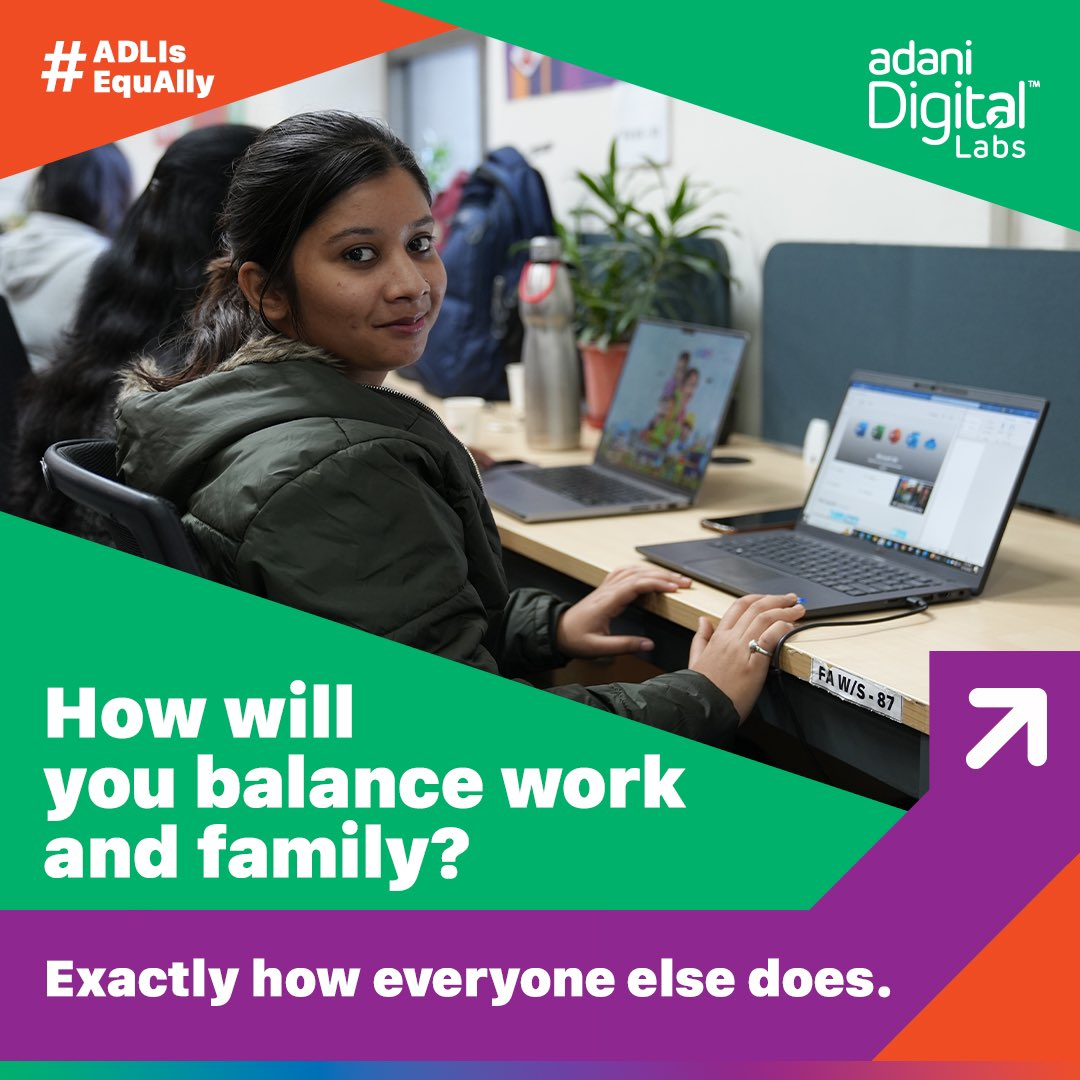
"How will you balance work and family?"
ADL's answer
"Exactly how everyone else does."
The question they dread
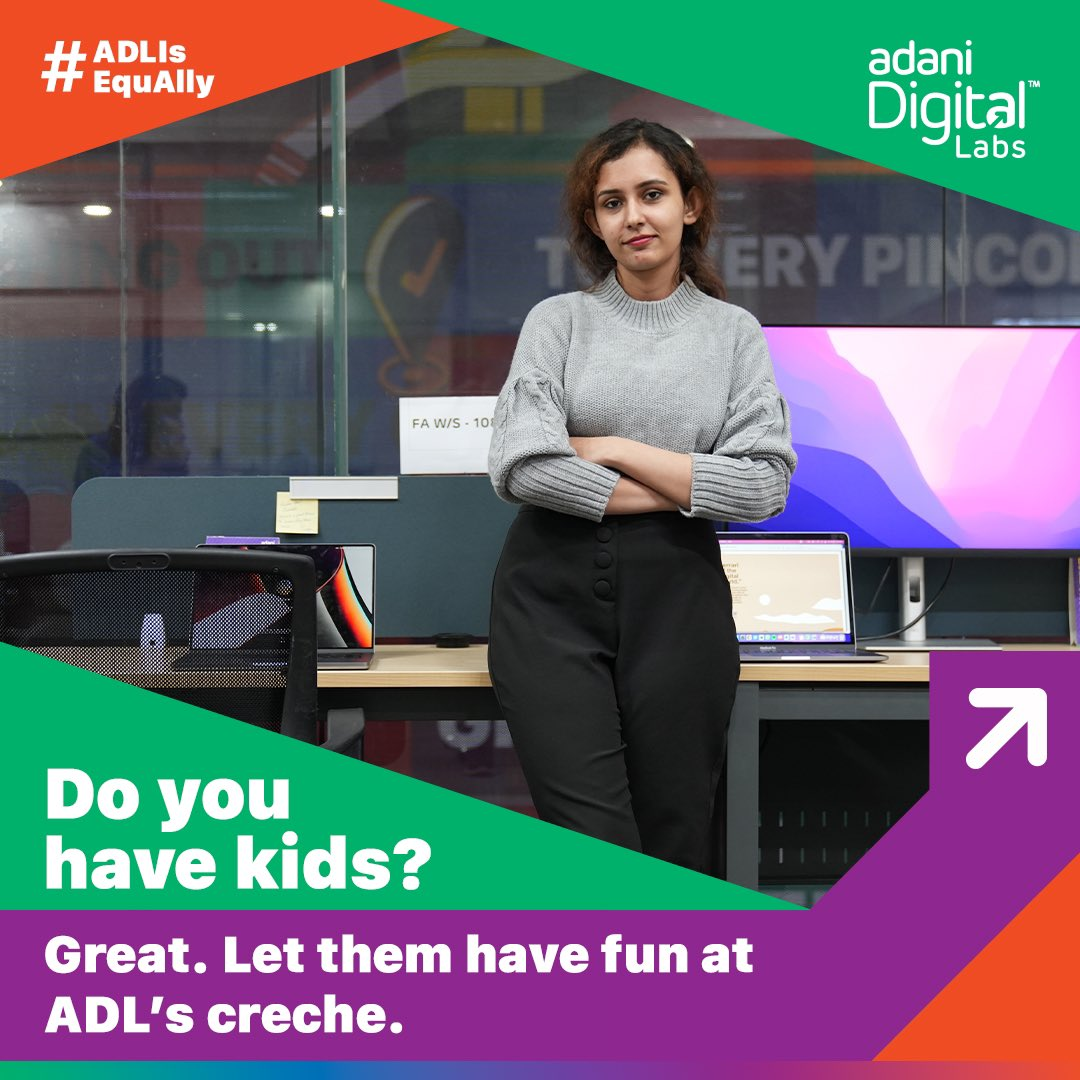
"Do you have kids?"
ADL's answer
"Great. Let them have fun at ADL's creche."
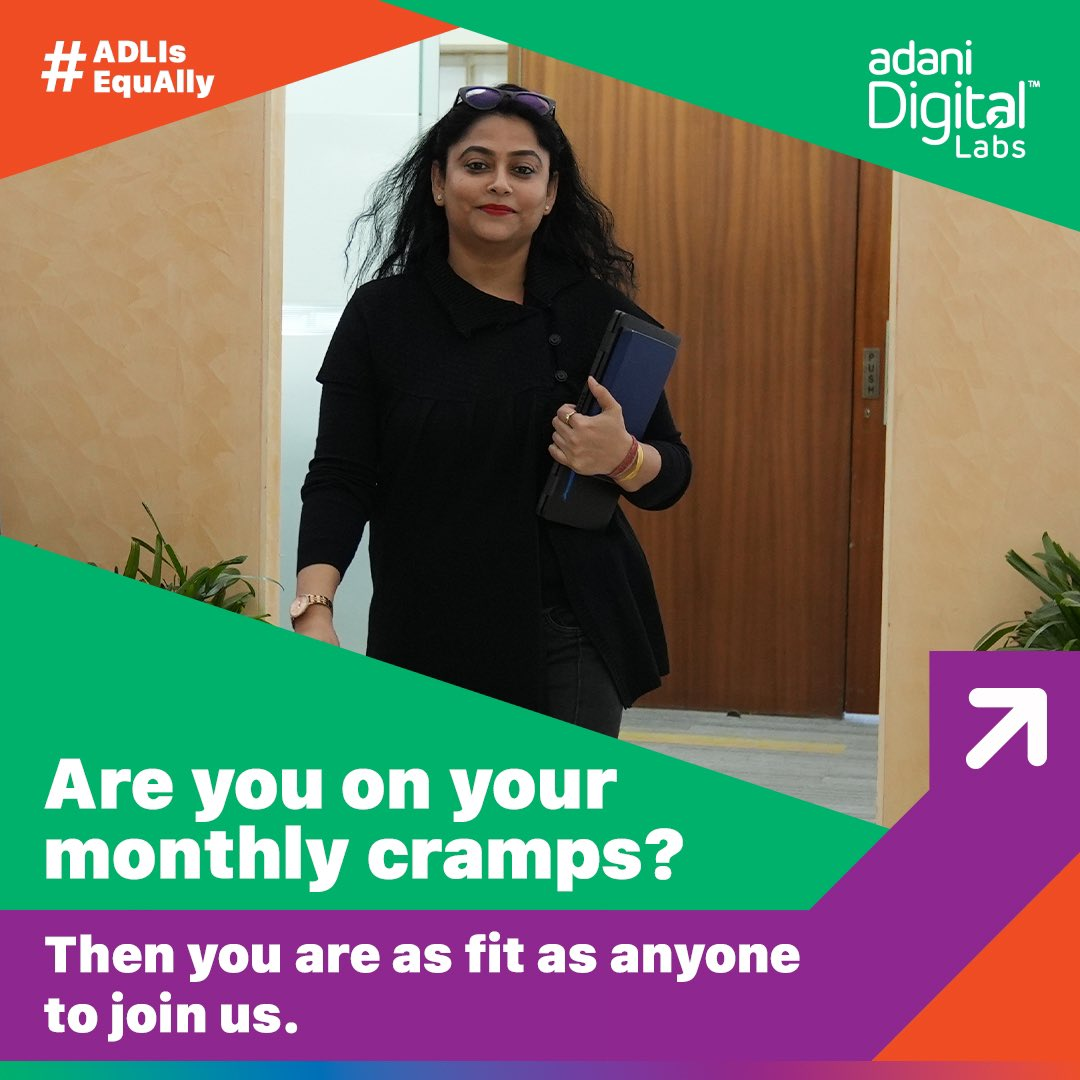
The question they dread
"Are you on your monthly cramps?"
ADL's answer
"Then you are as fit as anyone to join us."
The Creative
Real employees.
Real workplaces.
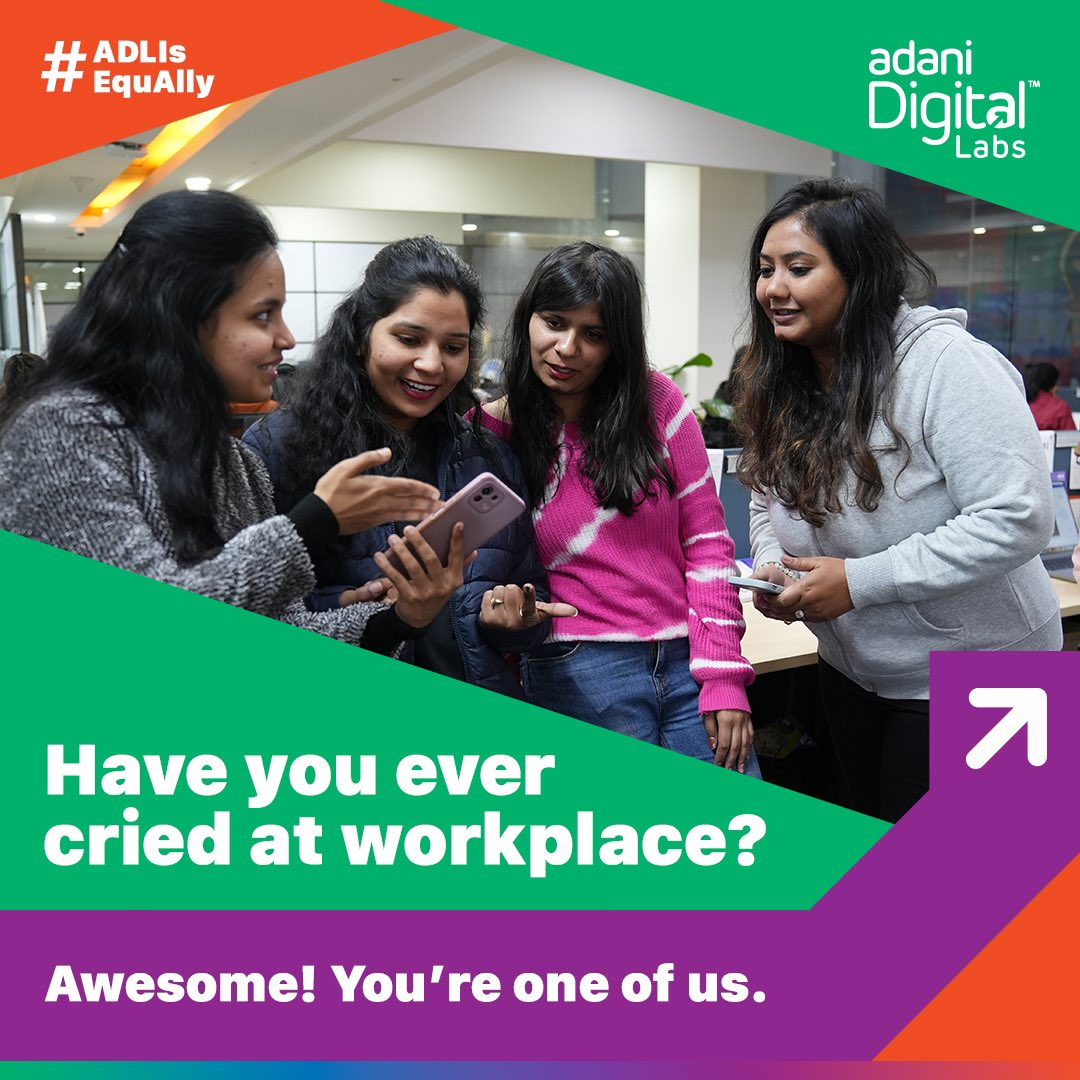
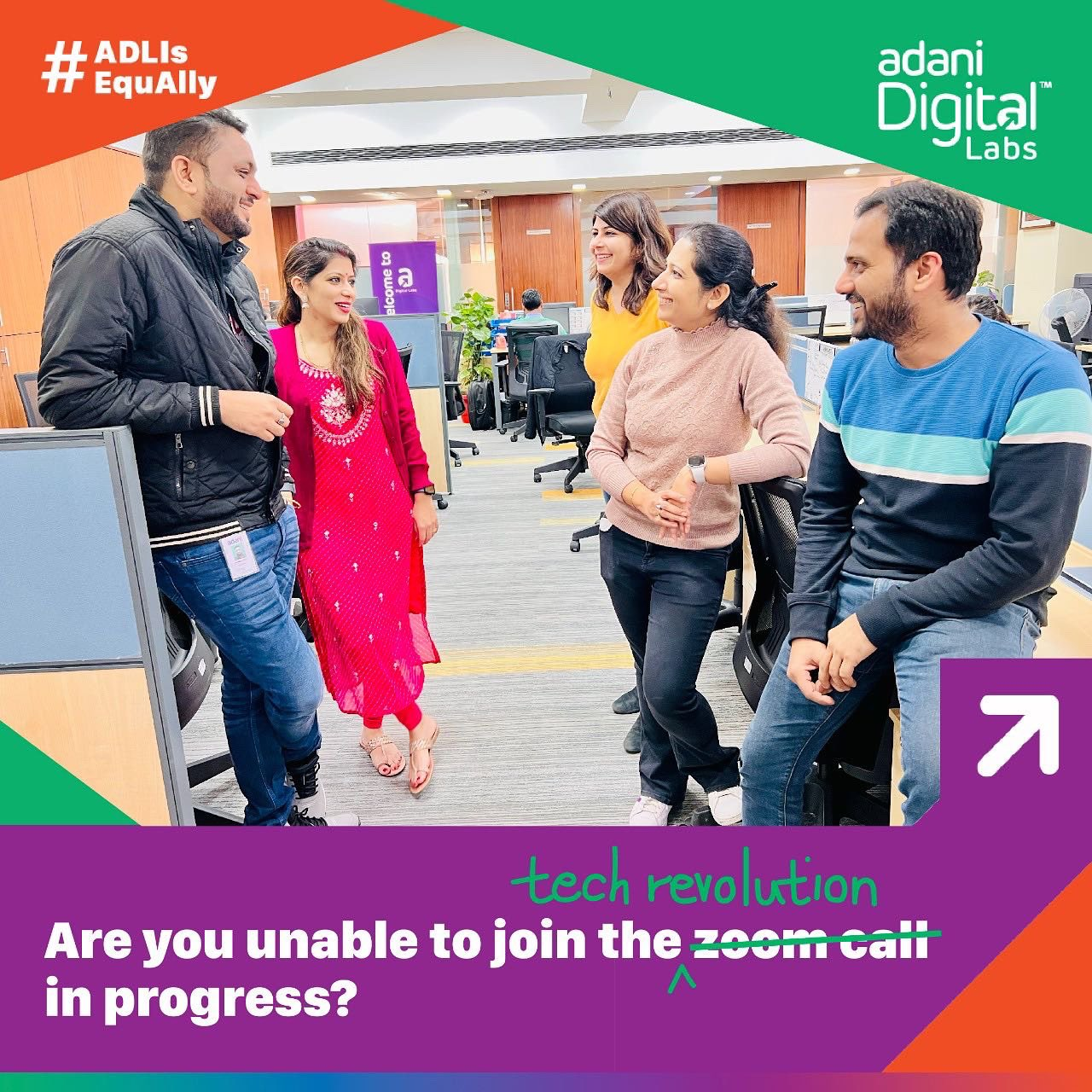
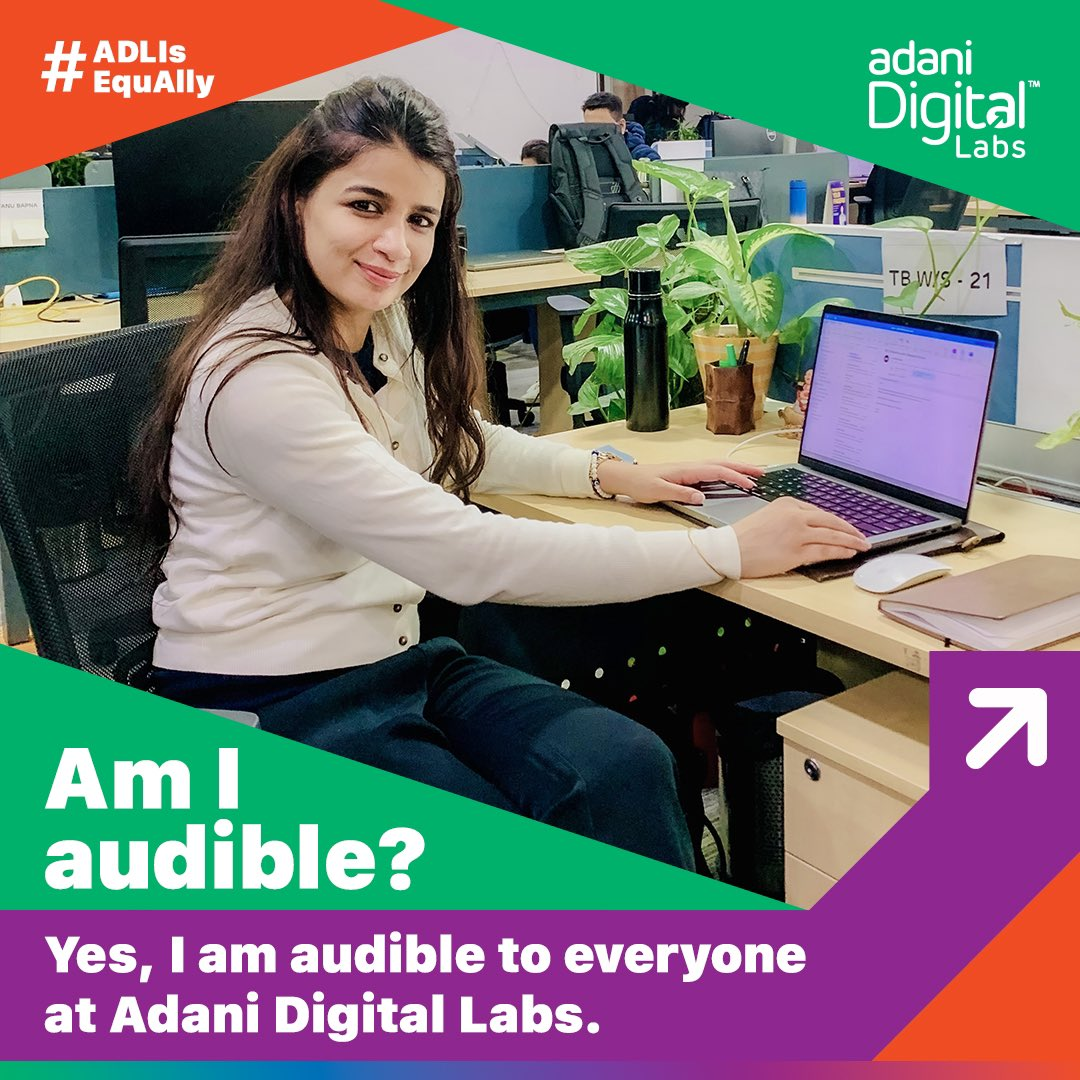
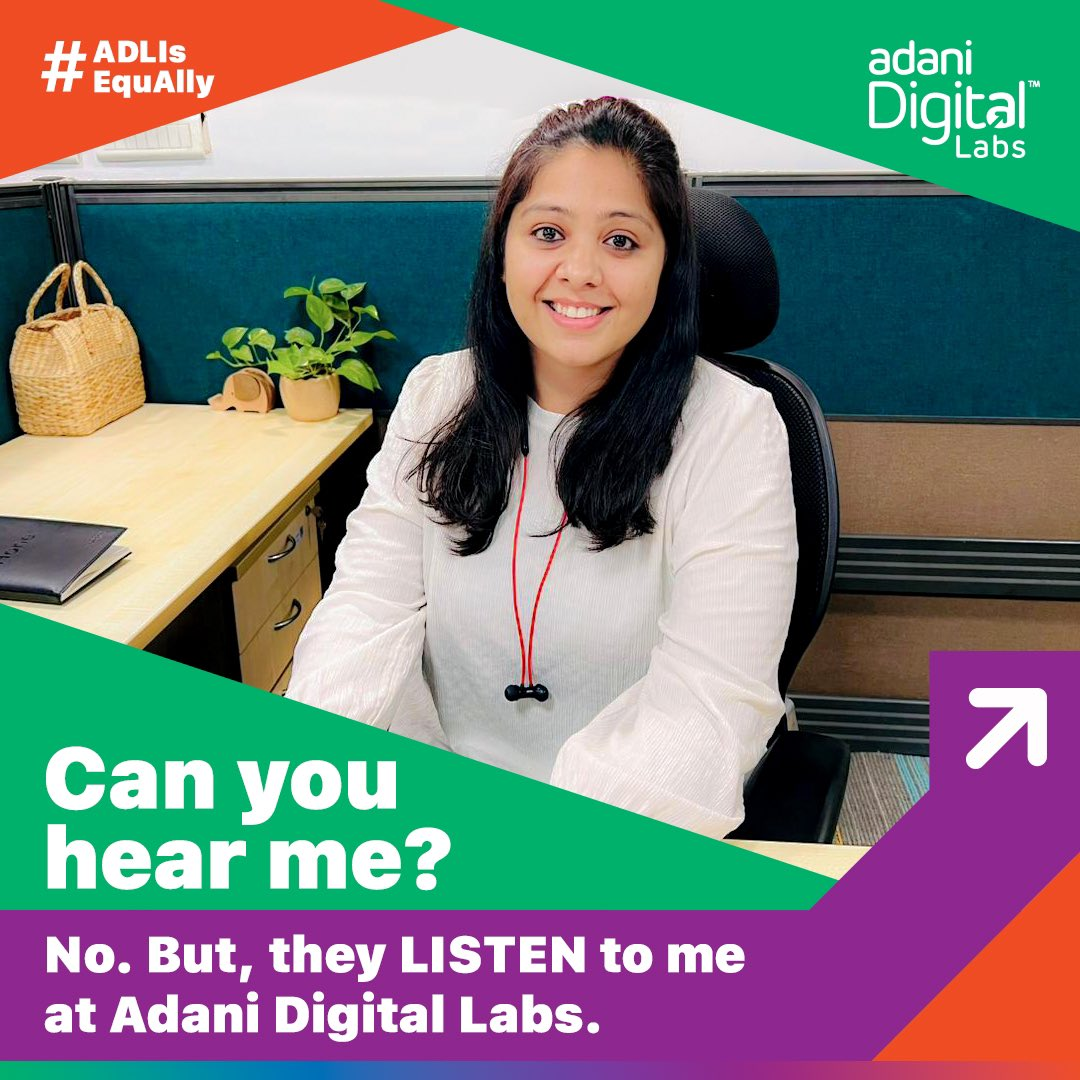
The decision to cast actual ADL employees rather than models was strategic, not just aesthetic. Stock photography signals aspiration. Real employees signal reality. The campaign's central claim was that this is a lived culture, not a stated value. The creative had to prove that from the first frame.
Employees also functioned as micro-influencers, sharing the content through their own networks. This extended both credibility and reach beyond ADL's own channels into the professional communities where the campaign most needed to land.
Execution
Three choices that
made the campaign work.
01
Real Employees, Not Models
Directed the photoshoot and worked directly with the photographer. Casting real employees in their actual workplace made the campaign's central claim impossible to dismiss as aspirational messaging. The authenticity was structural, not stylistic.
02
Employees as Micro-Influencers
Employees were not just subjects. They were amplifiers. Their own networks, communities and credibility extended the campaign's reach into the professional spaces where bias operates and decisions are made. The messenger reinforced the message.
03
The Question-Flip Format
The creative format did the strategic work. By surfacing real biases in the question, the campaign created immediate recognition. By reframing in the answer, it created relief and safety. Recognition plus safety equals reduced barrier to application.
Conventional employer branding
We support diversity and inclusion
We have a maternity leave policy
We value work-life balance
We are an equal opportunity employer
#ADLIsEquAlly approach
We understand what you have experienced
We have creche. Bring your kids.
Everyone balances. You are not an exception.
Your biology is not a disqualifier here.
Results
Numbers that changed
an organisation.
Workforce Representation
8% to 31%
Women's representation at ADL
95%
Of new women hires placed in technical roles
Leadership and Seniority
Improved
Women's leadership hiring, including technical leadership
Exceeded
Industry benchmark for women in technology roles
Organisational Impact
Group-wide
Influenced hiring patterns across Adani Group companies beyond ADL
Systemic
Campaign moved from communications initiative to organisational change driver
What made this work beyond a campaign
Most diversity campaigns measure reach and engagement. This one measured representation. The shift from 8% to 31% women in the workforce, with 95% of those in technical roles, is not a communications outcome. It is an organisational outcome driven by communications. The campaign removed the psychological barrier to application before any interview happened, which is where most diversity initiatives fail to intervene. That the effect propagated across other Adani Group companies suggests the communication architecture was replicable, not just effective in isolation.